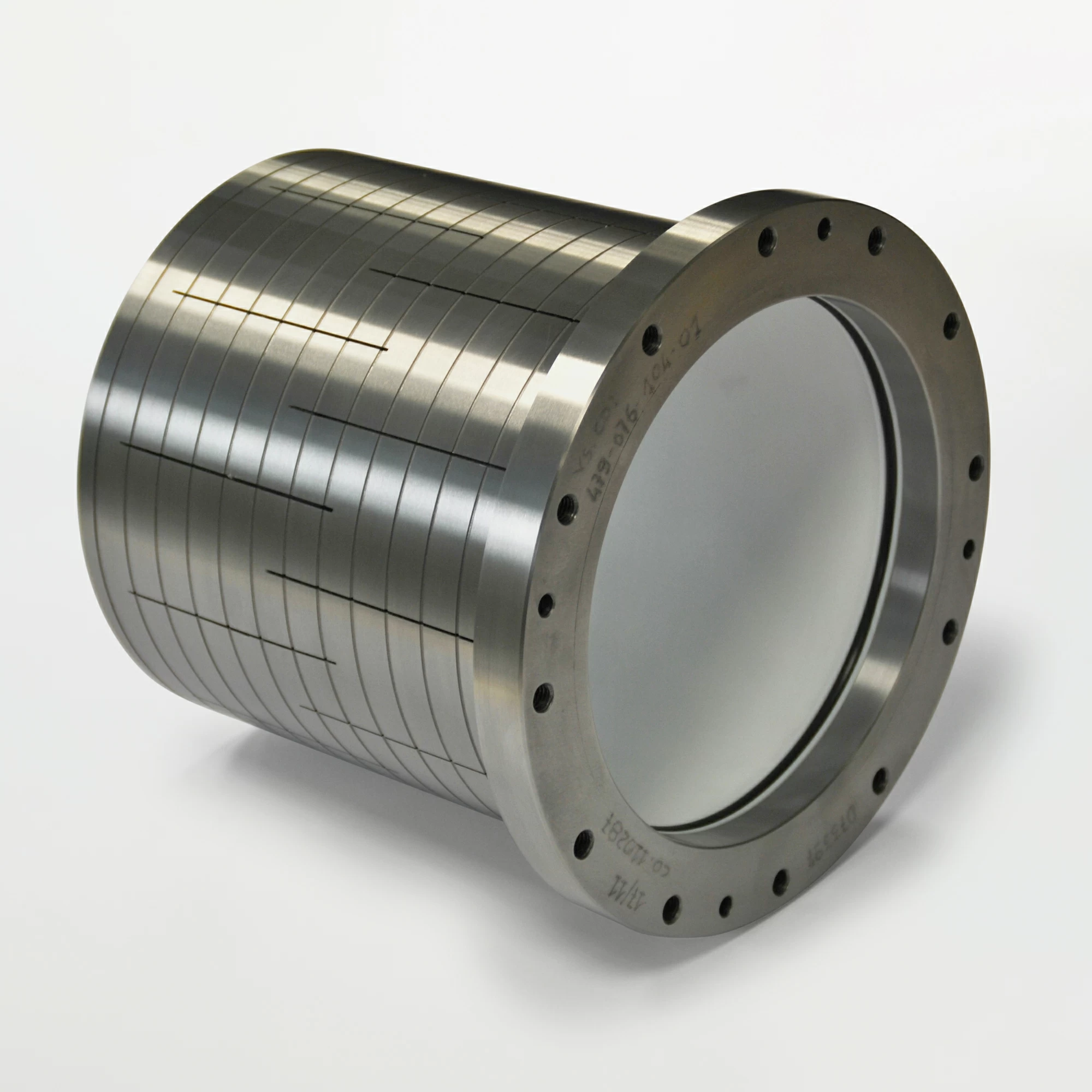
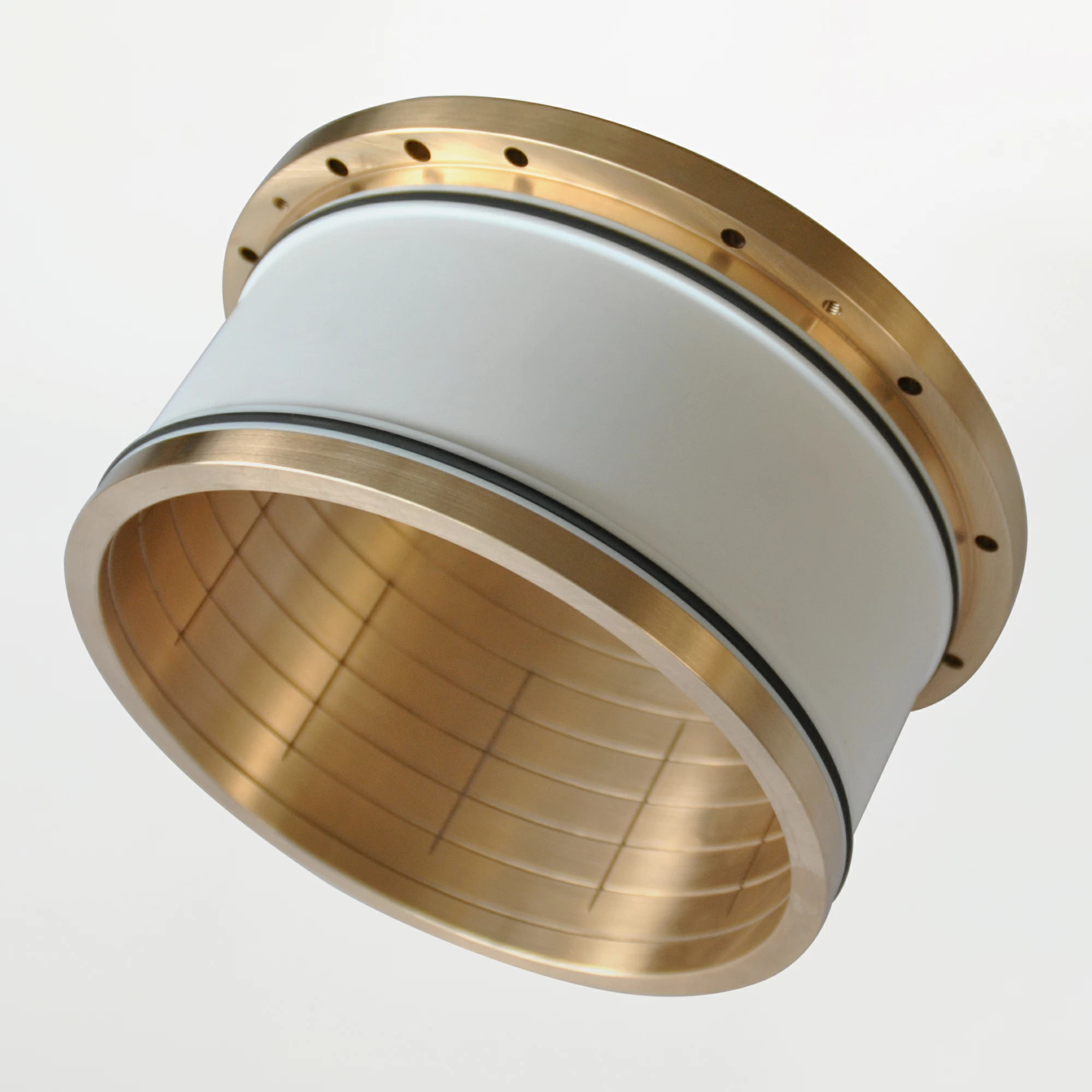
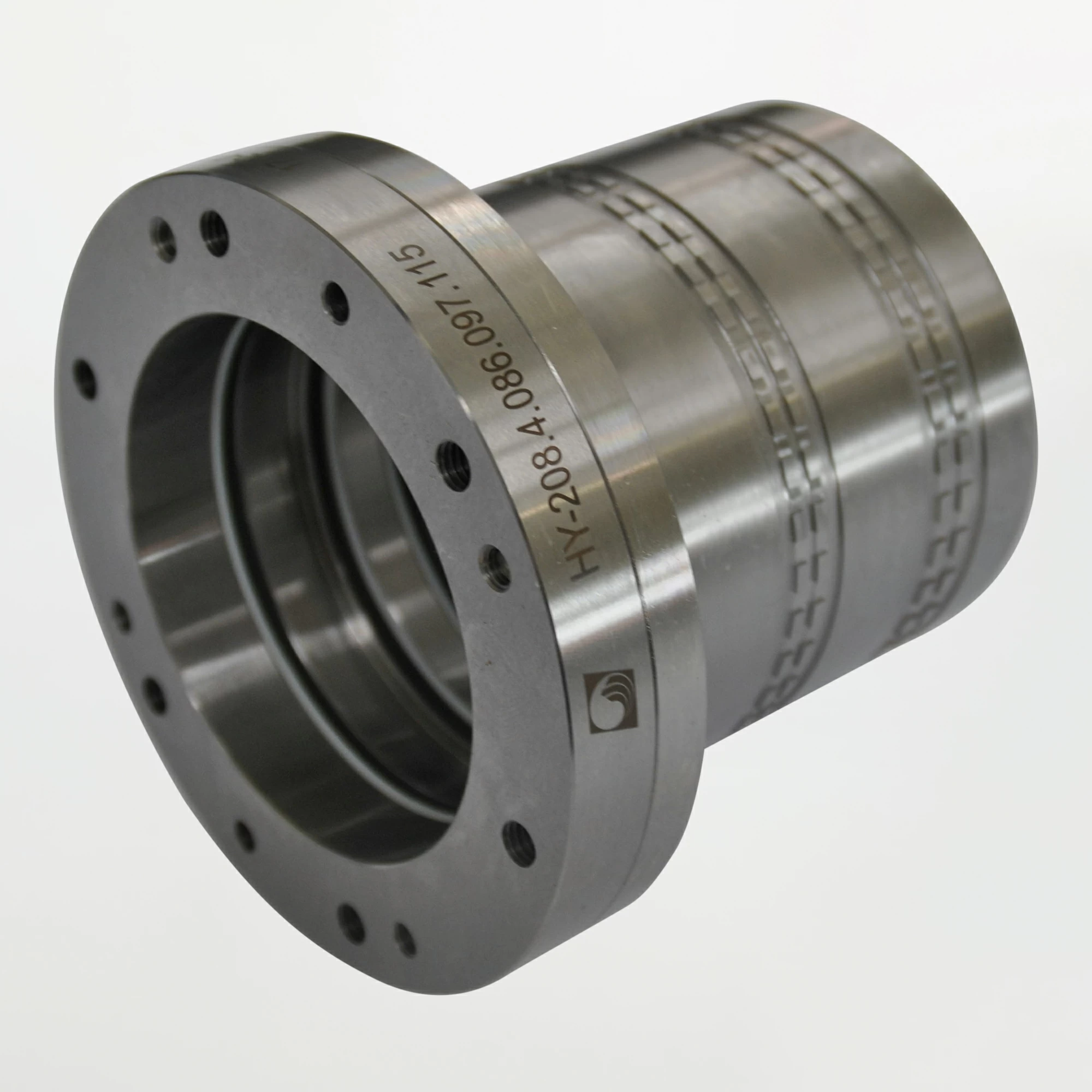
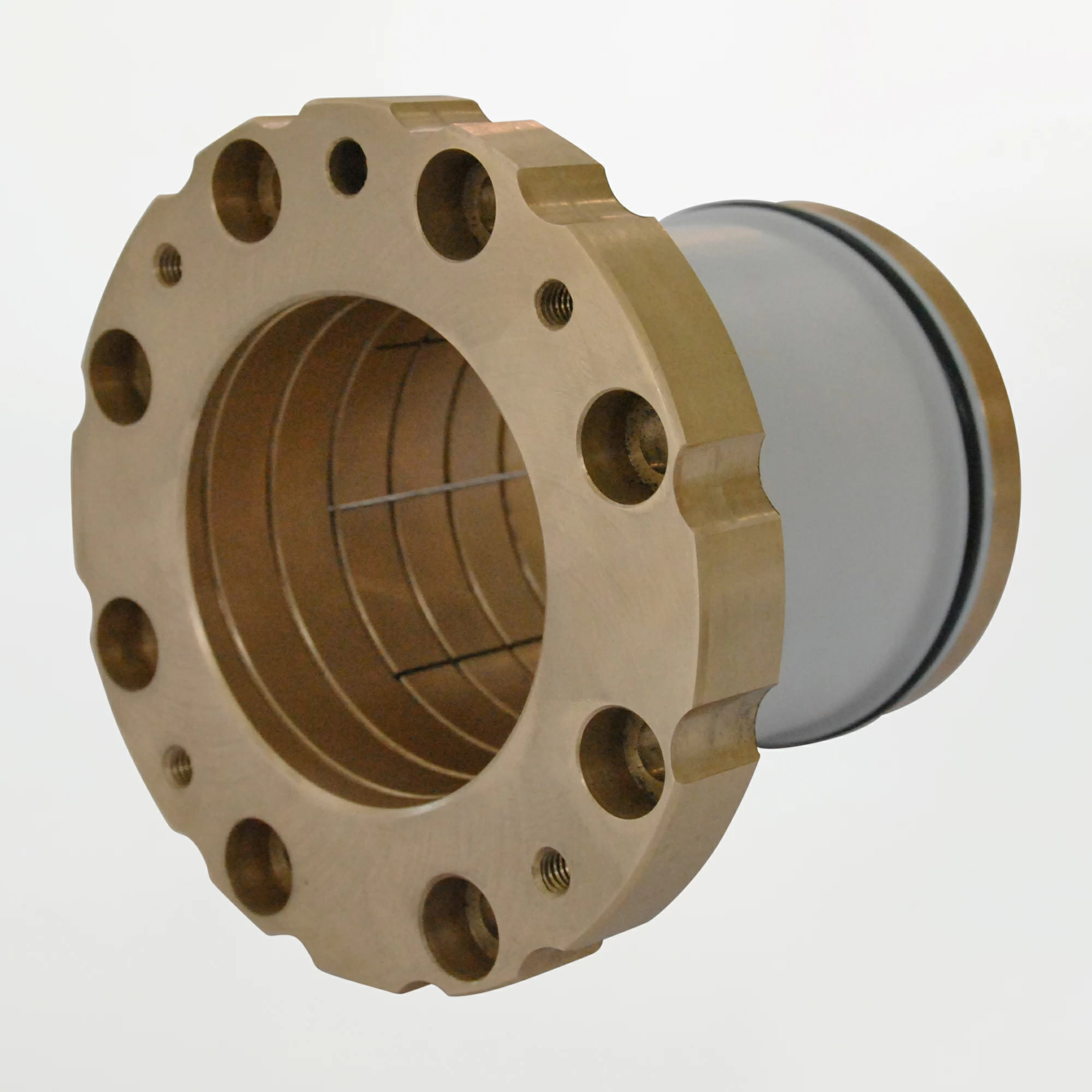
Precision and rigidity, even in the tightest of spaces

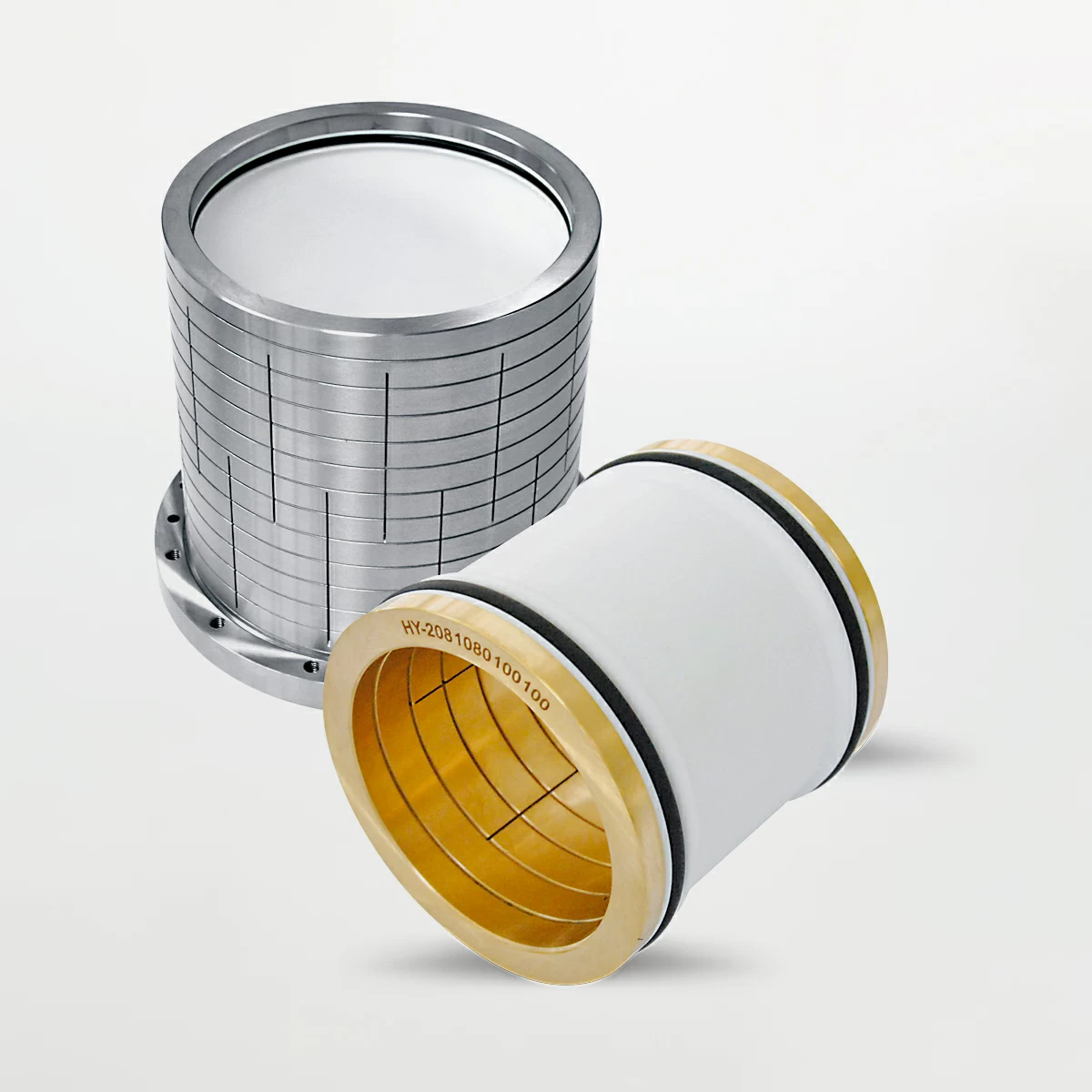
Thanks to a body made of bronze, steel, or special alloys with longitudinal fissures and a hydraulic working principle based on fluid pressurization, our sleeves achieve high clamping force even at low pressure, while maintaining smaller sizes compared to traditional solutions.

Employed in boring spindles, rotating tables, milling heads, lathes and injection presses, Hydroservice sleeves minimize vibrations and mechanical play, increasing machining accuracy and long-term reliability.

Every solution can be custom-sized, based on shaft diameter, available pressure, and the customer's specific application requirements.

TALK TO AN EXPERT

Contact a specialist

Division:

Clamping sleeves

Competence:

Sales / Technical

Speak with a technical sales specialist to define the right clamping sleeve for your application.

go

Technical data

Materials

Sleeve body:

Bronze, steel and special alloys

Shell:

POM

O-ring:

VITON o NBR

Back-up ring:

PTFE

Technical specifications

Operating pressure:

from 10 to 400 bar (depending on Ø)

Fluid suggested for operation:

mineral oil

Suggested viscosity range:

from 10 to 400 mm2/s

Temperature range:

from -20°C to + 100°C

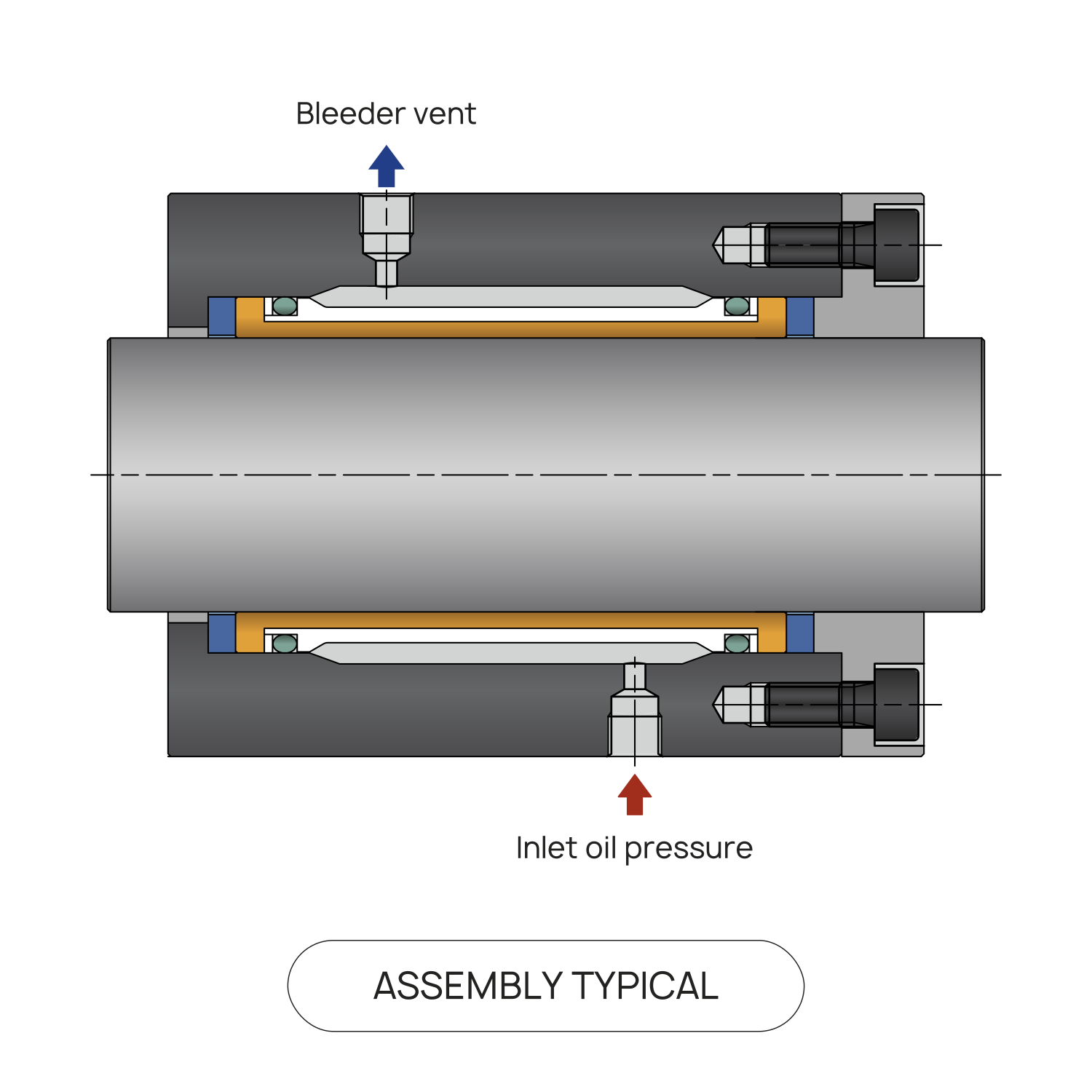
Scheme

Why choose

Custom Hydraulic Power Units

For industrial machinery, process plants and complex automation systems.

High-Pressure Power Units

Designed for demanding applications requiring controlled force, reliability and continuous operation.

Lubrication and Filtration Systems

Integrated systems for fluid management, oil conditioning and long-term equipment protection.

Accumulator Stations

Engineered solutions for energy storage, emergency functions and hydraulic circuit stability.

Retrofitting and Modernization

Upgrade existing hydraulic systems to improve reliability, efficiency, safety and maintainability.

Hydraulic locking, simple and frictionless

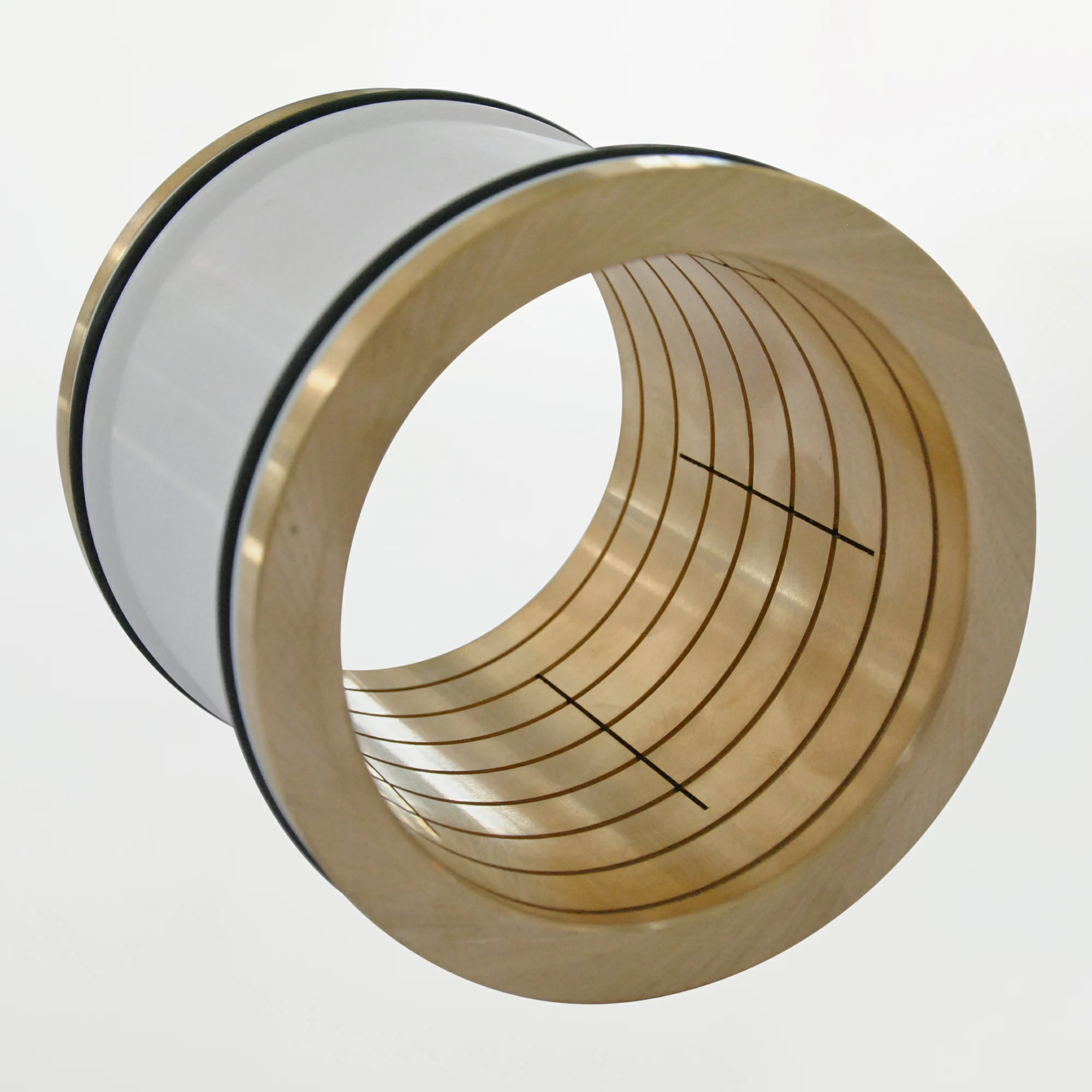
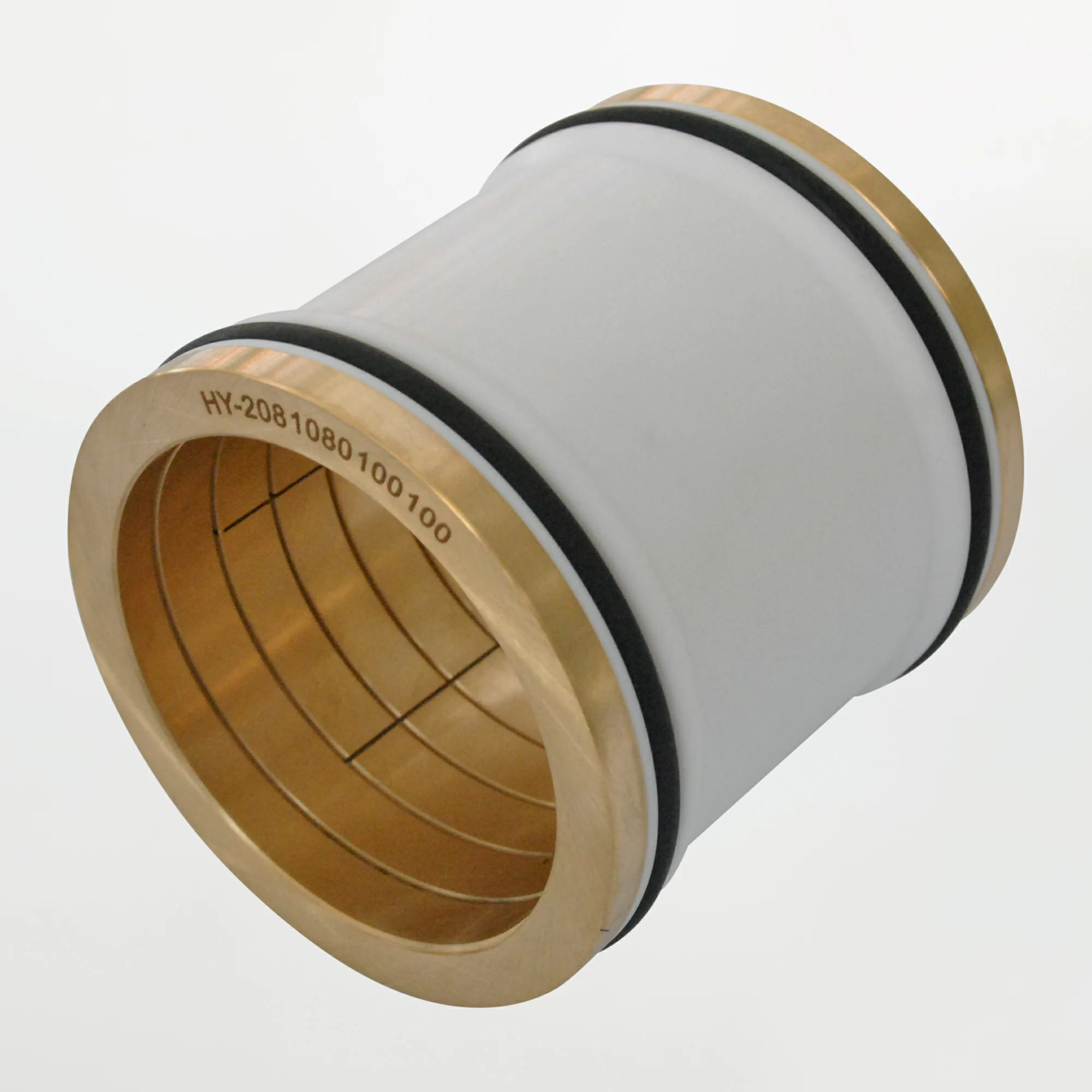
Hydroservice clamping sleeves consist of a body in bronze or special steel, featuring longitudinal slots and coated with a synthetic material sleeve, with O-Ring seals and back-up rings at the ends.

Operation is based on a three-phase hydraulic principle:

  1. Pressurization — Fluid (mineral oil) is fed into the chamber between the housing seat and the sleeve, generating a radial force relative to the clamping sleeve's axis.
  2. Locking — This force uniformly deforms the metal body of the clamping sleeve, causing it to grip the shaft and generate enough friction to prevent slippage and rotation. The specially designed longitudinal slots ensure rigid, uniform locking across the entire surface.
  3. Unlocking — By depressurizing the chamber, the clamping sleeve quickly returns to its original position thanks to the material's elasticity, with no friction or rubbing between the parts.

The same principle applies to both internal locking (the shaft is clamped from inside the clamping sleeve) and external locking (the clamping sleeve clamps a component from the outside), ensuring the same reliability in both configurations.

Engineered for complex industrial applications

Our clamping sleeves are designed for sectors where sealing, precision, durability and long-term reliability are essential to the operational safety of the plant.

What are clamping sleeves and what are they used for?

Clamping sleeves are components made of bronze, steel, or special alloys that provide fast, safe, and precise axial and/or radial clamping of shafts and cylindrical parts, preventing slippage and rotation. Thanks to a body with longitudinal fissures covered by a synthetic shell, they ensure smaller sizes compared to traditional solutions and are used in spindles, rotating tables, press columns, rotating heads, and tailstocks.

What is the operating pressure and which fluids can be used?

The sleeves operate at pressures ranging from 10 to 400 bar, depending on the diameter. The recommended fluid is mineral oil with a viscosity between 10 and 400 mm²/s, within a temperature range of -20°C to +100°C. For different operating requirements, please contact Hydroservice's technical department.

How is the clamping force generated by the sleeve calculated?

The force depends on four factors: shaft diameter (d), sleeve active length (LA), feeding pressure (P), and friction coefficient (µ, typically between 0.08 and 0.12). Specific formulas are used to calculate the axial force (in daN) and the torque moment for radial clamping (in daN·m); Hydroservice provides detailed calculation examples for each configuration.

What precautions should be followed during assembly and start-up?

It is essential never to pressurize the sleeve without the shaft inserted (risk of damage), to lubricate the clamping surface only with mineral oil (never grease), and to pressurize gradually up to 30% of the maximum foreseen working pressure, repeating the operation several times before reaching the final working pressure. Housing seats must comply with precise tolerances to ensure proper function and ease of disassembly.

Can the sleeves be customized to meet specific customer needs?

Yes, in addition to the standard H208.1.1.1 series (available in various combinations of diameter, length, and clamping force), Hydroservice offers customizable solutions in terms of material, dimensions, and clamping type (internal/external, flanged/non-flanged), through a dedicated coding system. For specific requests, an inquiry form is available online.