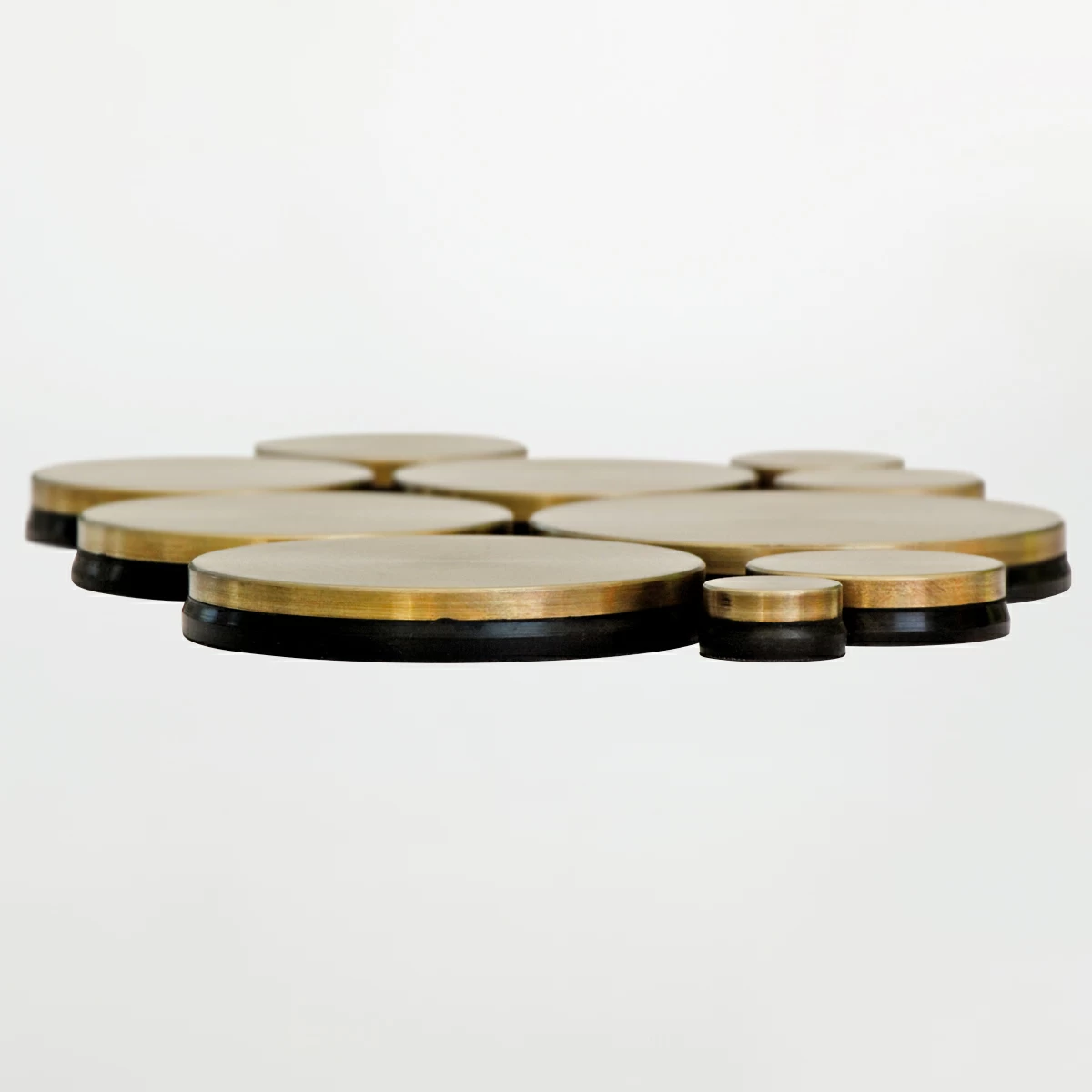
A simple, compact and economical clamping mechanism

Hydroservice clamping discs are the simplest and most cost-effective solution for clamping mobile devices such as slides, traverses, and wagons, ensuring maximum reliability.

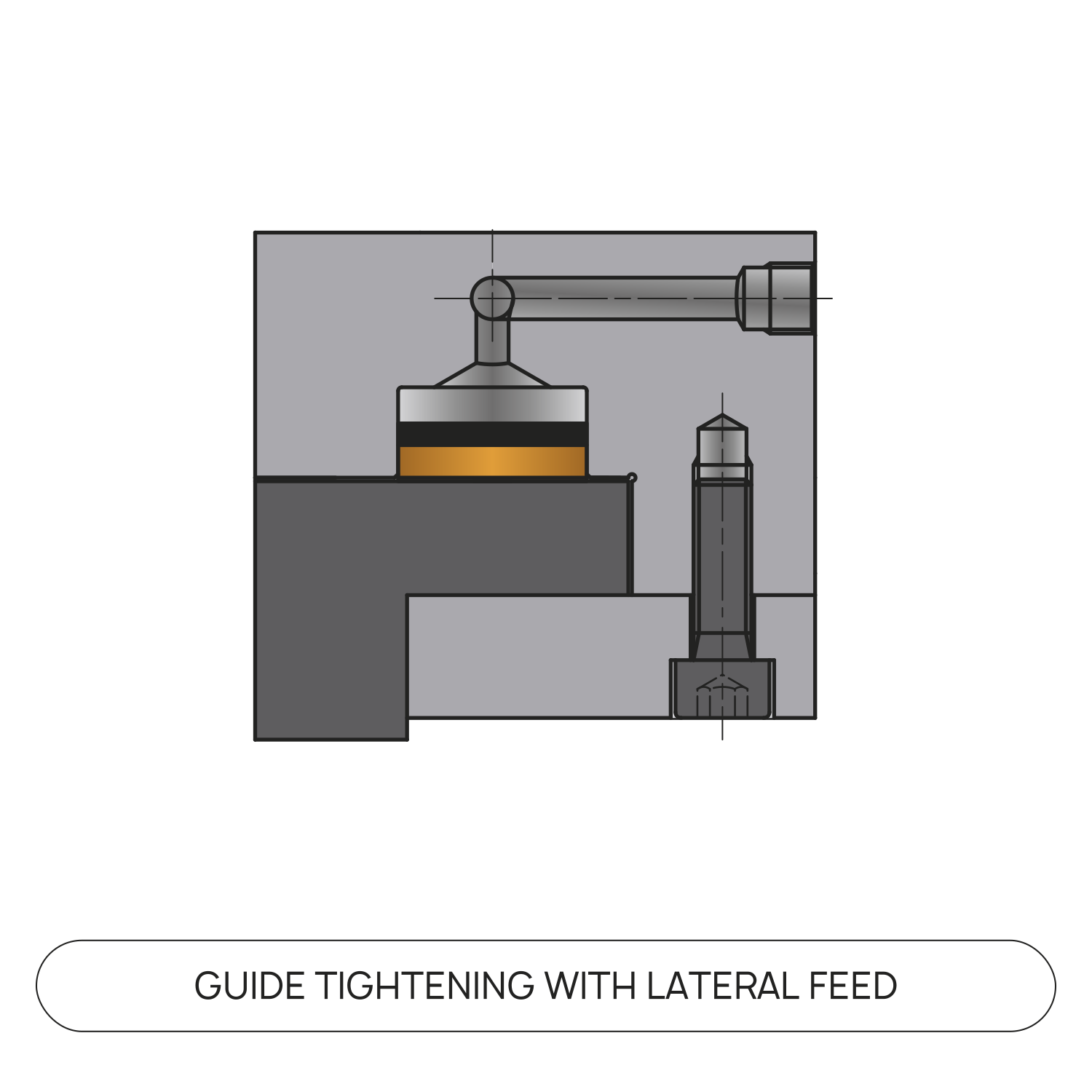
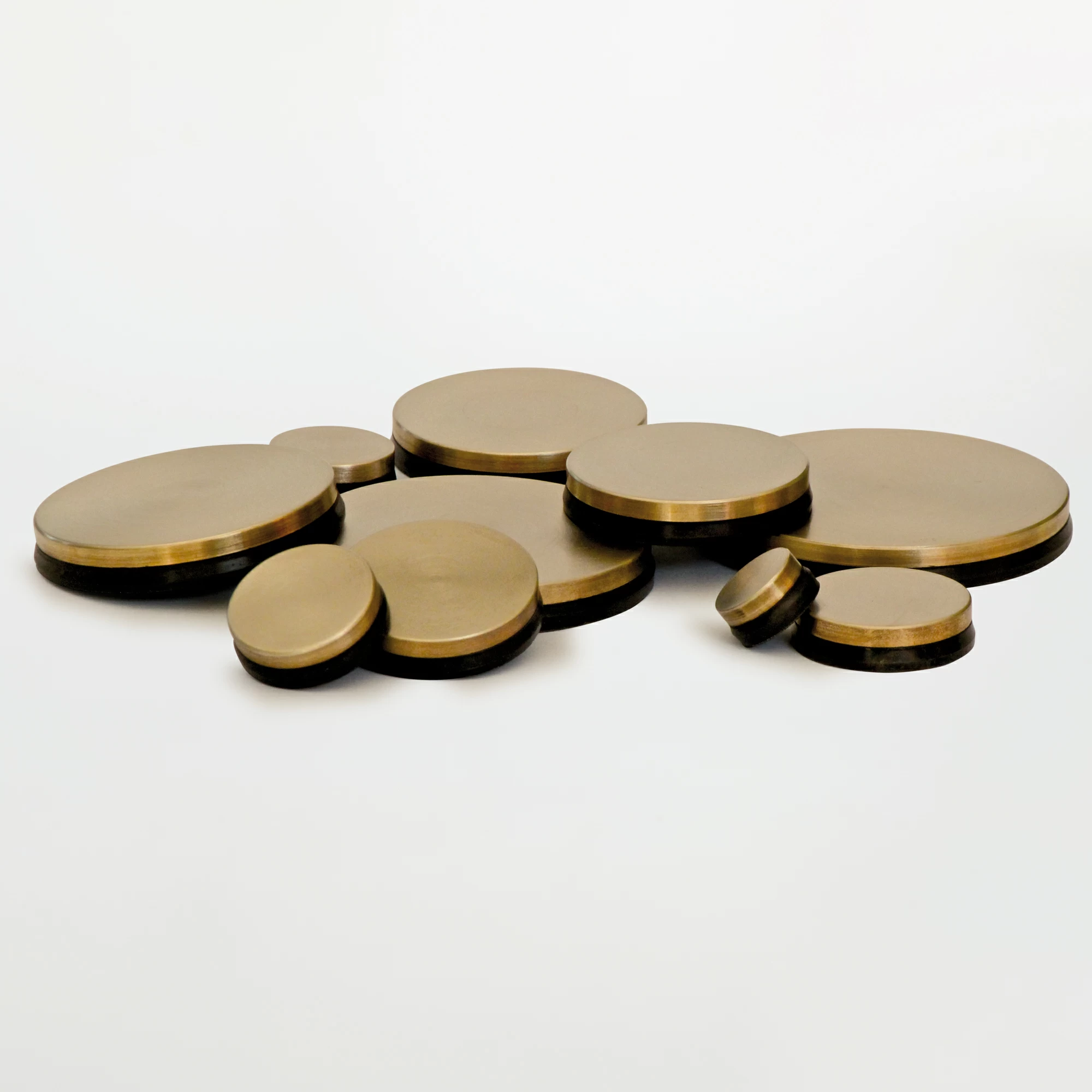
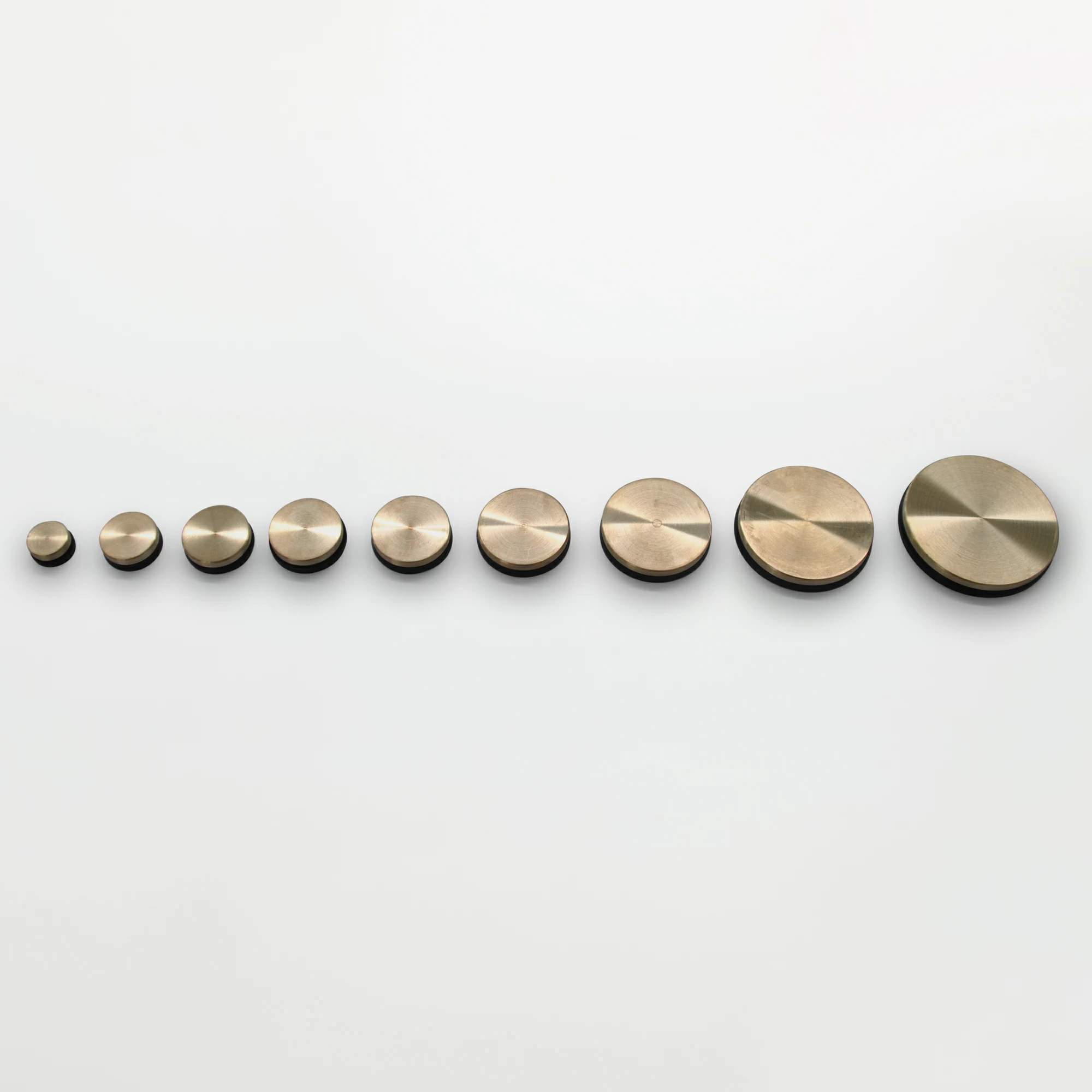
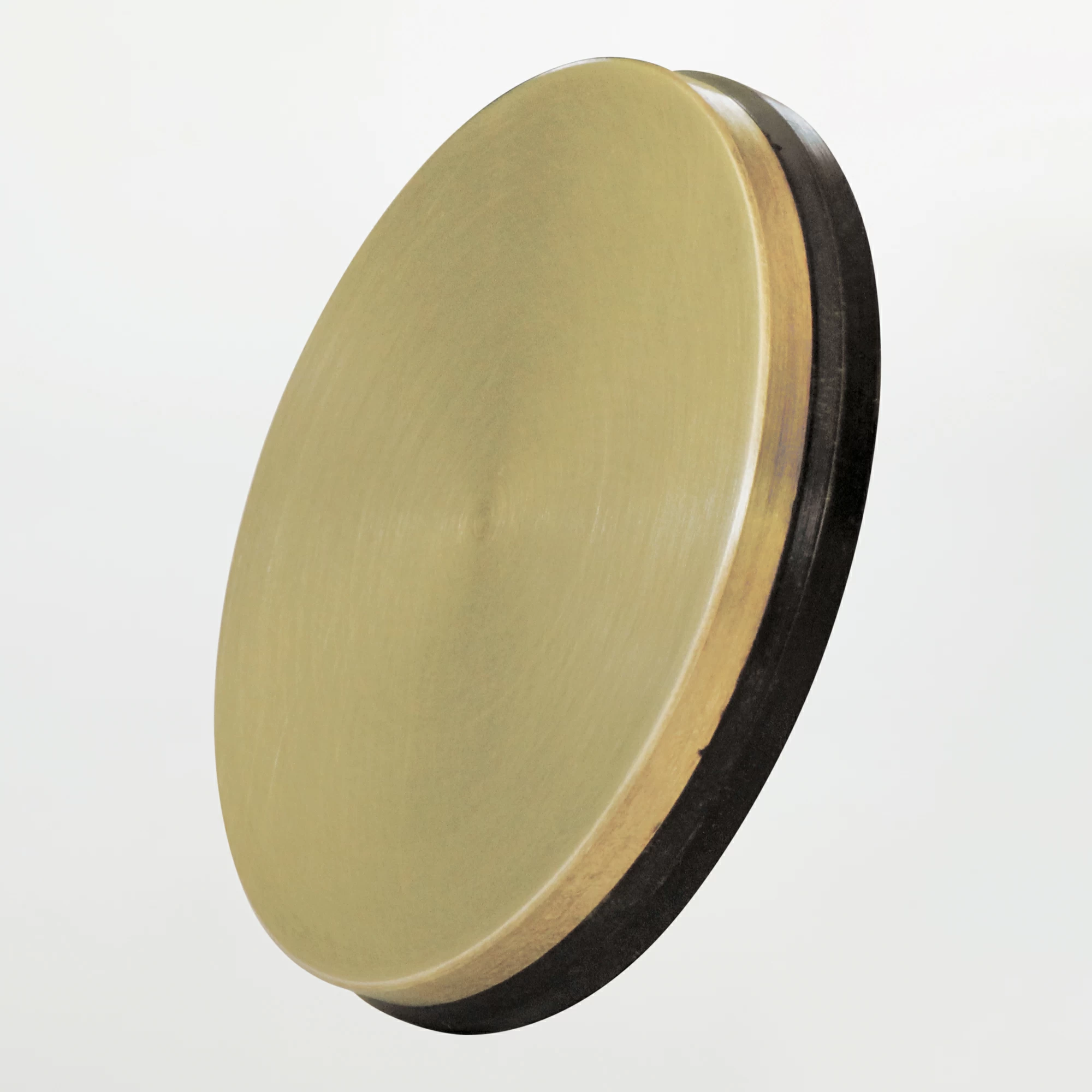
Made of a bronze body and an NBR gasket joined through vulcanization, they work through fluid pressurization: the disc lifts slightly off its seat and adheres to the element to be clamped, generating the friction force needed for clamping, with no moving parts and therefore no wear.

TALK TO AN EXPERT

Contact a specialist

Division:

Clamping discs

Competence:

Sales / Technical

Would you like to find out how many discs you need for your application? Contact us now.

go

Technical data

Materials

Disc body:

Bronze

Gasket:

NBR

Technical specifications

Operating pressure:

from 10 to 250 bar (depending on Ø)

Fluids suggested for operation:

mineral oil

Suggested viscosity range:

from 10 to 400 mm2/s

Temperature range:

from -20°C to + 80°C

Why choose

Extremely compact

Just a 10-11 mm deep hole with H7 tolerance is enough for housing.

High clamping forces

Engineered for pressures up to 250 bar: even the smallest discs generate considerable force.

Maintenance-free

No moving parts, so no wear from friction over time.

Perfect seal

The gasket expands under pressure, adhering to the seat walls and excluding any leakage.

Easy assembly

The dedicated tool (sleeve + punch) makes insertion quick and protects the gasket from damage.

Why the disc never wears out

The disc gasket is intentionally oversized: during assembly it is heavily preloaded, achieving strong adhesion within its housing.

This allows the clamping element to shift slightly back and forth without generating friction against the seat wall.

At first pressurization, the gasket undergoes a small elastic yield and, once the initial friction is overcome, moves until the disc rests against the surface to be clamped, thus settling into its final position. In the unclamping phase, simply releasing the pressure is enough: the disc elastically retracts by about 0.01 mm, detaching from the workpiece without any frictional contact.

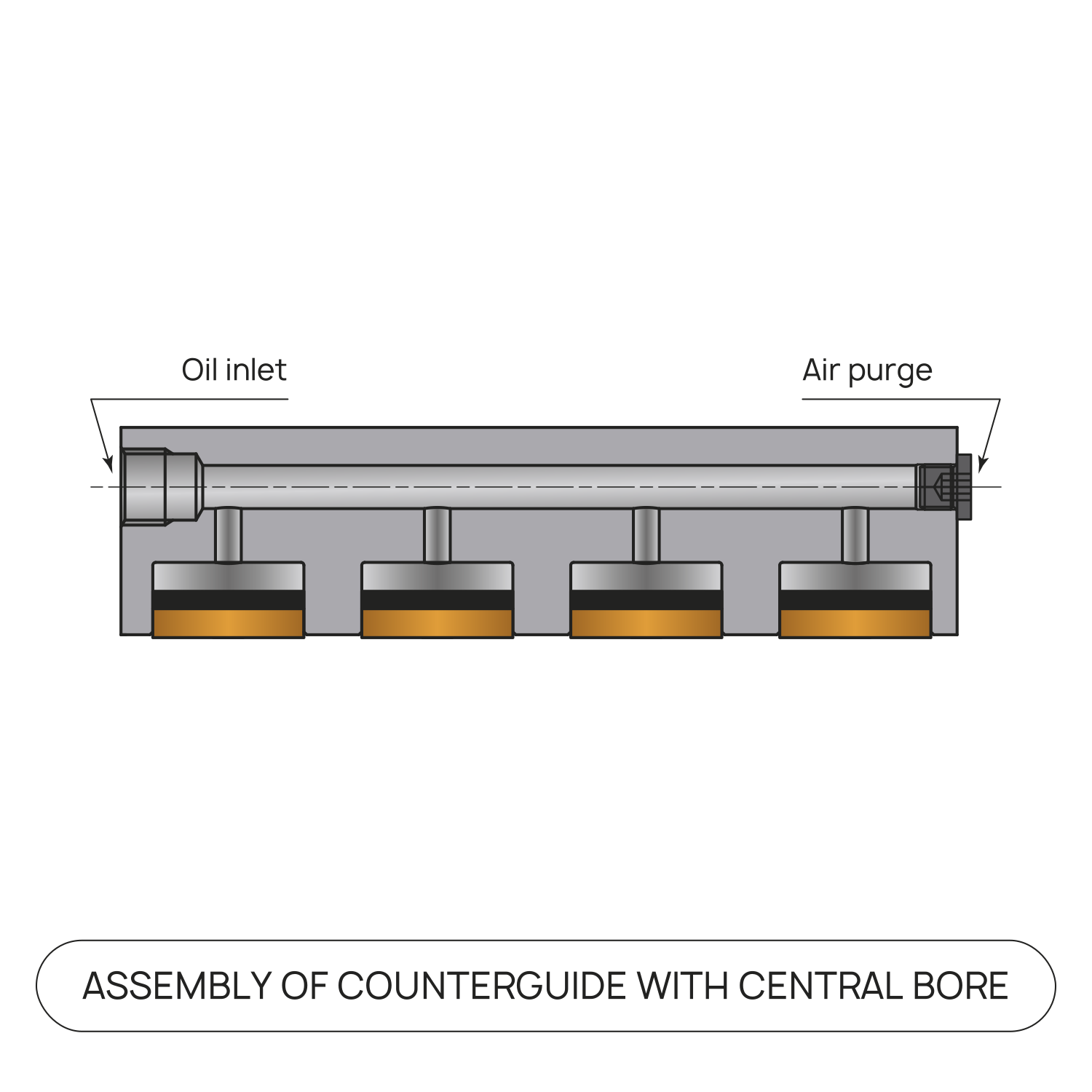
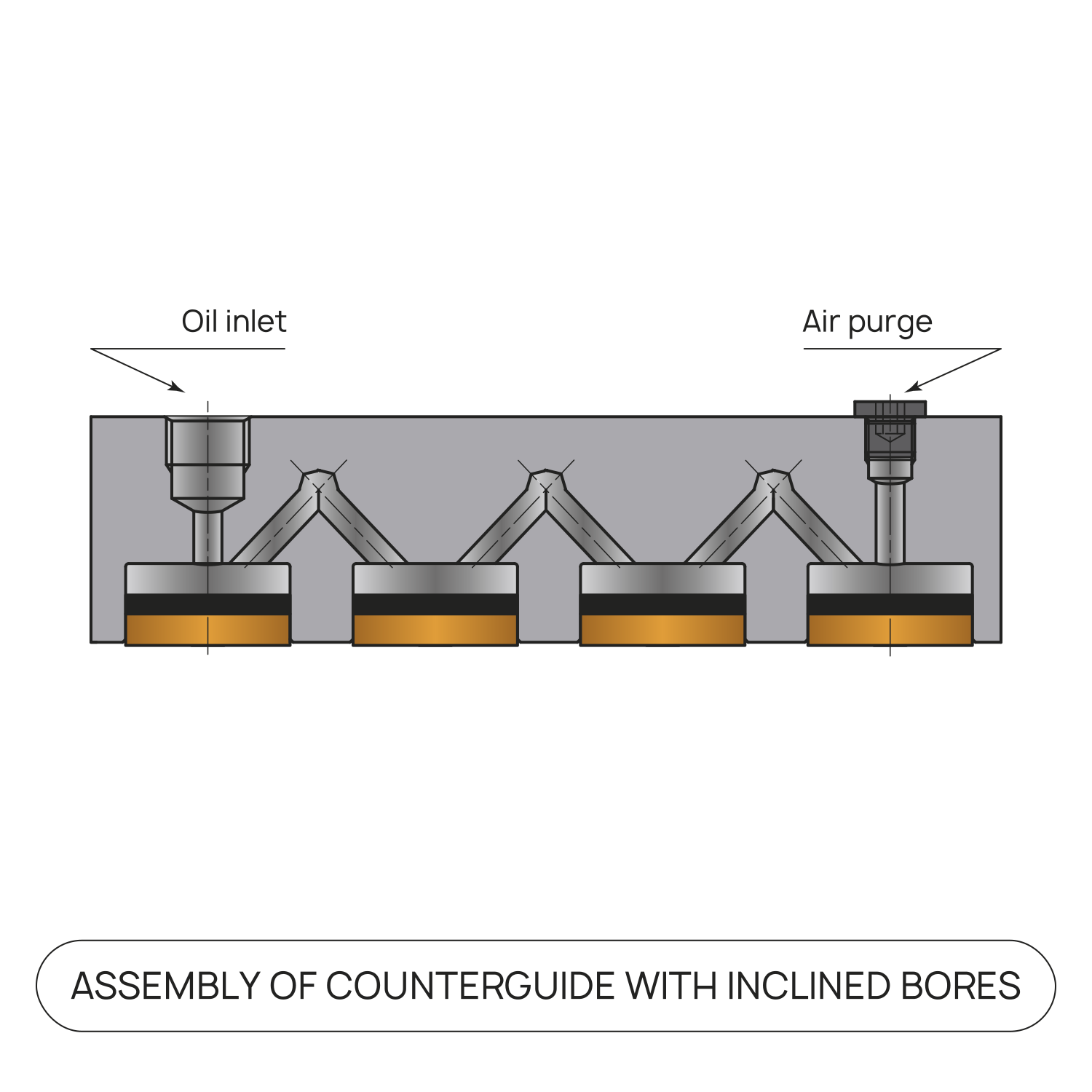
This friction-free operation, combined with the absence of air pockets in the circuit (bleeding should always be provided, ideally through a vent hole at the most suitable point), ensures the disc a very long service life at peak efficiency.